Tile roof re-lay in Las Vegas, NV
Keep your tile. Replace what's failing.
A tile roof re-lay in Las Vegas keeps the tile you already have and replaces the layers that actually keep water out. We lift and stack your tile, install new heat-rated underlayment and battens, replace worn flashing, then re-set every course. Your home looks the same from the street, with a new waterproof system underneath.
Free re-lay estimate
Inspection, photo report and a fixed written price.
Signs your tile roof is ready for a re-lay.
Concrete tile often outlasts the underlayment beneath it. These are the signs the layer you can't see is done, even when the tile still looks fine.
Leaks with no broken tile
Water is getting in, but the tile looks intact. That usually points to underlayment that has dried out and cracked underneath.
Felt that crumbles when lifted
When we lift a tile and the felt tears or flakes apart, the roof's waterproof layer has stopped working.
Tile that slides or sits crooked
Loose or rotted battens and failed fasteners let tile shift out of line, opening gaps for wind-driven rain.
The same rooms leak every summer
If monsoon storms bring the same stains back each year, patching single spots is costing more than fixing the layer beneath.
Original underlayment on an older home
Many Valley homes still have the felt they were built with. After decades of summer heat, it's often brittle on every slope.
Rusted valley or wall flashing
Corroded metal at valleys and walls is a common leak point, and it's replaced most cleanly while the tile is off.
Choosing the right tile roof re-lay scope.
A re-lay isn't one fixed job. Your inspection shows how much of the roof needs it and how much of your tile can go back on.
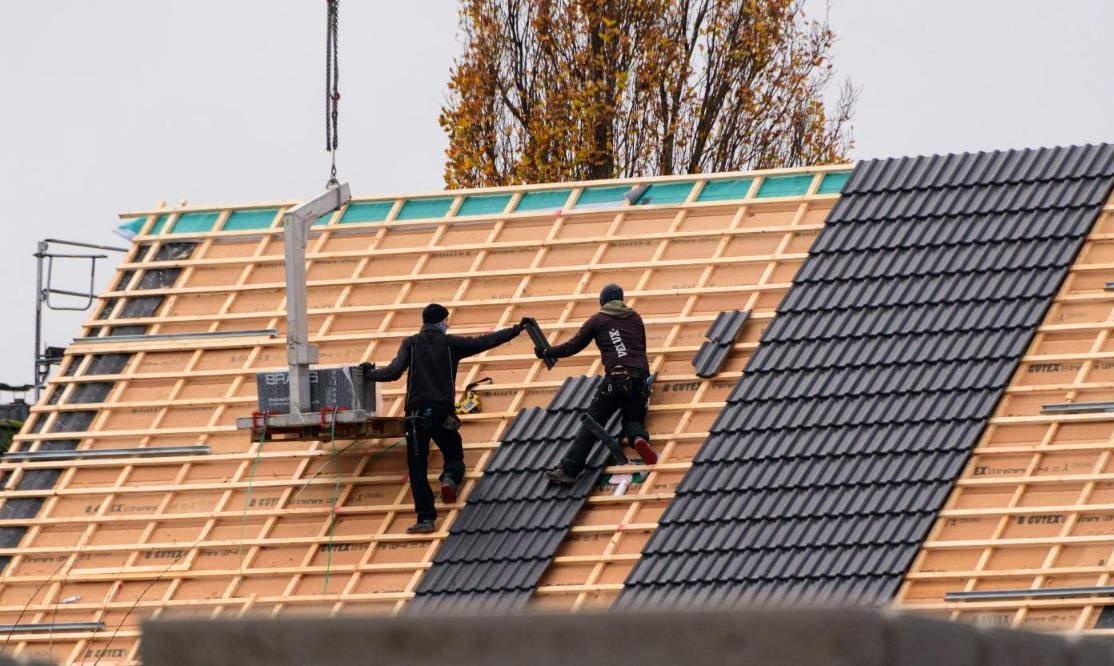
What we check before pricing a re-lay.
A re-lay only makes sense if your tile can go back on. We confirm that, and everything under it, before you get a price.
Tile condition & match
We check tile on every slope for cracks and wear, estimate how many pieces need replacing and identify the profile so matches can be sourced before tear-off.
Roof deck
We walk every slope for soft spots and check sheathing from the attic. Deck repairs are priced per sheet in your contract.
Pitch & underlayment build
Lower-pitch tile roofs need a heavier underlayment build. We confirm your pitch and include the layers code requires in the price.
Flashing & penetrations
Valleys, walls, skylights and vents are checked. Corroded metal is replaced while the tile is off, not sealed over.
Attic ventilation
Trapped attic heat cooks underlayment from below. We check intake and exhaust so the new layer isn't fighting your attic.
Solar & rooftop equipment
Solar panels have to come off for a re-lay. We note them in the scope so removal and reinstall can be scheduled around the roof work.
What a tile roof re-lay costs in Las Vegas.
Typical ranges for single-family homes in the Valley, including removal of the old underlayment, materials, labor, permit and cleanup. Your written price is fixed after the inspection.
What moves the price
Roof replacement cost in Las Vegas: the full breakdown
From inspection to closeout.
Inspection & photo report
We lift tile on several slopes, photograph the underlayment and check the deck from the attic. You get the report the same week.
Scope, tile plan & approvals
A fixed written price, a count of replacement tile, your HOA submittal if needed and the permit application.
Lift, rebuild & re-set
Tile is lifted and stacked, old underlayment and battens come off, the deck is repaired and the new system goes on. Then every course is re-set with new fasteners.
Final inspection & warranty
Permit sign-off, a walkthrough with you, closeout photos and your warranty documents.
Underlayment complete. Tile loading this afternoon.
Re-lay permits and HOA review in the Valley
A re-lay replaces your roof's waterproof layer, so it's typically permitted like a re-roof. We confirm whether your address falls under the City of Las Vegas, Henderson, North Las Vegas, Boulder City or unincorporated Clark County and pull the permit under our license. Because your own tile goes back on, the look of your home doesn't change, and if replacement tile is needed we include samples in your HOA submittal.
City of Las Vegas
Including much of Summerlin, Centennial Hills and Downtown
Clark County
Unincorporated areas like Spring Valley, Enterprise and Paradise
City of Henderson
Green Valley, Anthem, Inspirada and more
City of North Las Vegas
Aliante, Eldorado and the northern Valley
Tile Roof Re-Lay questions
What is a tile roof re-lay?
A re-lay rebuilds your roof while keeping your existing tile. We lift the tile, remove the old underlayment and battens, repair the deck, and install new heat-rated underlayment, battens and flashing. Then we re-set the tile with new fasteners. It fixes the layer that keeps water out without changing how your home looks.
Do I need a re-lay or a full roof replacement?
If most of your tile is sound and the leaks come from below it, a re-lay is usually the better value. If tile is broken across many slopes or your profile can no longer be matched, new tile may make more sense. We lift tiles during the inspection and show you photos so the choice is clear.
How much of my tile can be reused?
It depends on the tile's condition and how carefully it's handled. Some breakage during lifting is normal, so we estimate replacement tile at the inspection and include it in your written price. The goal is to put back as much of your own tile as possible, which keeps cost down and the look unchanged.
What if my tile profile is discontinued?
We look for matching salvaged tile first, then the closest available profile and color. Replacement pieces can often go on less visible slopes, with your original tile moved to the front of the house. If a good match isn't possible, we show you the options before anything is ordered.
How long does a tile re-lay take?
Most homes take several working days once materials are on site, depending on roof size, pitch and the number of slopes. Weather and inspection scheduling can add time. Your written schedule shows the work days, the permit inspections and when your tile goes back on, so nothing catches you off guard.
Do I need a permit for a tile re-lay?
In most cases, yes. A re-lay replaces the roof's underlayment, so it's typically treated as a re-roof. We confirm the requirements with your city or Clark County, pull the permit under our license, schedule the required inspections and keep the signed-off permit in your closeout file.
How long will a re-laid roof last?
Concrete tile can last for decades, so the new underlayment usually sets the timeline. Heat-rated underlayment, balanced attic ventilation and sound flashing all help it last. Your contract spells out the manufacturer's material warranty and Mustang's written workmanship warranty of [X] years.
Will a re-lay fix leaks around skylights and vents?
Yes, when the flashing is the cause. With the tile off, we replace corroded or poorly sealed flashing at skylights, vents, walls and valleys instead of sealing over it. Each of those details is listed in your written scope, so you know exactly what's being replaced before work starts.